

Nature Bio Foods’ Khajuraho Project is is located on the far north-east border of Madhya Pradesh. It is 133 km from Jhansi in Uttar Pradesh and 233 km from Gwalior in Madhya Pradesh. 90% area of the Khajuraho Project falls in the state of Madhya Pradesh, India.
Khajuraho is a major junction and happens to be a trade center of agricultural products and fabrics. The region of Khajuraho and nearby cities is a fertile plain due to the woody elevation and rivers that surround them. This region is ideal for growing crops like rice, sorghum, wheat, barley, and legumes.
Social Certification

Fairtrade Certified Khajuraho Project

NBF complies with Fairtrade’s approach to enable farmers and workers to have more control over their lives and decide how to invest in their future. Our Khajuraho project aligns with Fairtrade’s approach to empowering farmers and workers to have greater control over their lives and invest in their future. We fully support Fairtrade’s standards and associated norms, and we’re proud to integrate them into our business practices.
When you see the FAIRTRADE Mark on our products, you can trust that we’ve met internationally agreed-upon standards that have been independently verified. At NBF, we prioritize fairness and ethical practices in all aspects of our business, and our commitment to Fairtrade is an essential part of that.
We believe in empowering farmers and workers at NBF, which is why they have a strong voice at every level of trade. From managing their farms to contributing to our discussion forums, we’re dedicated to providing an equal platform for everyone. Our adherence to Fairtrade’s principles is not just about compliance; it’s a core value that guides our business.
Fairtrade is more than just a certification at NBF; it’s a way of doing business that puts people first. We’ve followed Fairtrade practices and implemented measures that provide better prices and working conditions for farmers and workers. By doing so, we’re helping to create a fairer deal for those who work hard to produce our products.
Organic Certification
Demeter Certified Khajuraho Project

BIODYNAMICS –
STARTING FROM THE GROUND UP
KEEPING UP
HIGH STANDARDS
Nature Bio Foods has implemented the Demeter biodynamic farming practices in its project in Khajuraho. The project has received Demeter International certification, which recognizes the highest standards of biodynamic agriculture.
NBF project in Khajuraho involves working closely with local farmers to promote biodynamic farming practices. Nature Bio Foods provides training and technical support to farmers, as well as access to organic and biodynamic seeds and other inputs, to help them transition to biodynamic farming. The Demeter International certification to NBF ensures our products are produced according to the highest standards of biodynamic agriculture. The implementation of Demeter biodynamic farming practices in the project in Khajuraho reflects Nature Bio Foods’ commitment to promoting sustainable agriculture and supporting local communities.
Bahraich Project Certified by BioSuisse Organic and Naturland
Nature Bio Foods’ Khajuraho project proudly holds Naturland certification, strengthening the commitment to organic agriculture and fostering the prosperity of smallholder farmers. Naturland certification is attainable even for low-acreage farmers, and they work with producer associations that incorporate numerous individual producers. By working with Naturland, NBF is enabling smallholder farmers to adopt sustainable and organic farming practices while gaining access to premium markets for their produce. NBF’s partnership with Naturland not only benefits the environment but also supports the livelihoods of smallholder farmers. By promoting sustainable and organic agriculture, NBF is helping to increase the income and resilience of farmers from Khajuraho region, while also contributing to global efforts towards a more sustainable food system.

Nature Bio Foods’ Khajuraho project has successfully implemented the Bio Suisse organic certification in its project, ensuring that their products meet the highest standards of organic farming. The Bio Suisse certification is a globally recognized standard for organic farming, which requires farmers to follow strict guidelines for environmental sustainability, animal welfare, and social responsibility. The Khajuraho project has been certified by Bio Suisse, which is a testament to their commitment to sustainable agriculture and responsible farming practices. With this certification, consumers can be assured that Nature Bio Foods’ products are of the highest quality and are produced in an environmentally and socially responsible manner.
Everything you need to know about Khajuraho
Beholding the spectacular view of Raneh Falls to the Ken Gharial Sanctuary situated at the Sangam of Ken and Khudar Rivers, the territory of Khajuraho entails various picturesque tourist sites to discover! Moreover, the district shares several major borders such as the Panna from the east, Tikamgarh from the west, Damoh from the south, Sagar from the southwest, and lastly, Uttar Pradesh from the north.
The Khajuraho project lies in the upper part of the Bundelkhand plateau. The most prominent parts of the project are those which are transverse by the Panna Hill Range through the Southern parts. The range stands about 100 m from the surrounding and 300 m from the mean sea level. From here the plateau lowers down and covers into the alluvial plains in the north, particularly along with the Ken and Dhawan rivers. The lands of Bundelkhand are lying between south of Yamuna, east of Betwa, west of the temple of Vindhyavasini Devi, and north of the Narmada rivers. Thus, there are three physical divisions of the area namely:
(A) The Panna Range – The Panna Range is a branch of the Vindhyan Mountains. It traverses Sagar, Chhatarpur, and Panna Districts from the southwest to northeast, The highest peak in the district lies at 240 27` north by 790 45` east.
(B) The Central Plateau – The Central Plateau runs to the north as an offshoot of the Panna Range. It lies mainly on the Bundelkhand granites and forms the central sub-water divide.
(C) The Northern Plains – The Northern Plains lie between 152-300 m above mean sea level and cover nearly the whole Laundi district. It is covered by varying thicknesses of aluminum but it is a cut of ravines.
Agricultural Characteristics
The soils in Bundelkhand are divided into four groups: Rakar, Parwa, Kabar, and Mar. These groups differ in their physical and chemical properties. The majority of the region’s soils are light black, which is ideal for high productivity agriculture. Some parts of the region also have black and red mixed soils. However, most soils in the area have a low water holding capacity. The soil profile can be categorized into three types: deep soils (30% of the area), medium deep soils (30% of the area), and shallow soils (40% of the area).
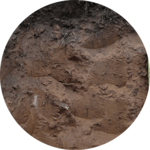
Deep Soil:Found in 30% of the area, deep soils in Bundelkhand offer good depth and are favorable for agricultural productivity. They provide ample room for root development and have relatively higher water-holding capacity.
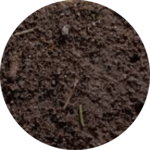
Medium Deep Soil:Covering 30% of the region, medium deep soils have a moderate depth and water-holding capacity. They strike a balance between deep and shallow soils, offering satisfactory conditions for crop growth.

Shallow Soil:Constituting 40% of the area, shallow soils in Bundelkhand have limited depth and lower water-holding capacity. These soils require careful management and irrigation practices to support crop cultivation effectively.
Climate Condition
Khajuraho has a tropical climate with hot summers and mild winters. The monsoon season starts in June and lasts until September, with the heaviest rainfall in July and August. The best time to visit Khajuraho is from October to March when the weather is pleasant and suitable for sightseeing.
Temp.
Minimum

5°C
(Dec-Jan)
Maximum

43°C
(May-June)
Humidity
Minimum

25%
(Dec-Jan)
Maximum

85%
(May-June)
Rainfall
The average annual rainfall of the region is
1100 mm which distribution is as follow.
South West
Mansoon
990 mm
(June-Sep)
North West
Mansoon
95 mm
(Oct-Jan)
Summer
Rains
15 mm
(Mar-May)
Seasons
There are mainly three seasons.

Summer
(Mar-June)

Rainy
(July-Sep)

Winter
(Oct-Feb)
Farm Water Availability
In this region, 55% of the land is dependent on rainfall for agriculture, while only 45% has access to irrigation systems. The sources of farm water availability are open wells (77%), reservoirs (13%), canals (5%), bore wells (3%), and farm ponds (2%). Farmers in the region mostly use flood irrigation patterns, while lift and micro-irrigation systems are installed in a small area. The groundwater quality in the region is mildly alkaline.
Nature of Farmers
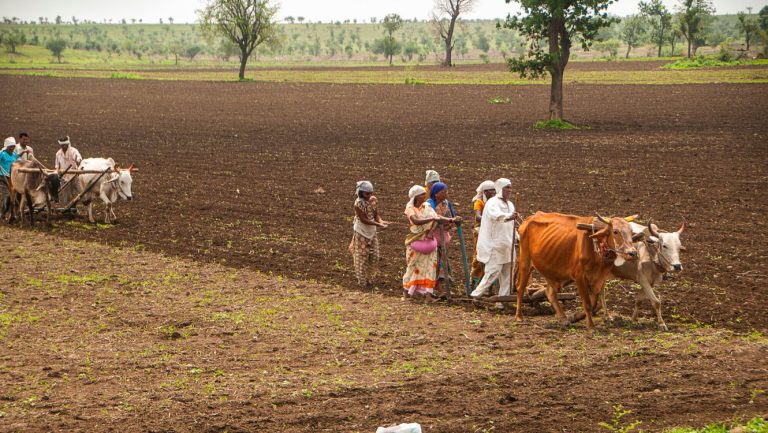
The farmers in Khajuraho are hardworking and dedicated individuals who have a deep connection to the land and its agricultural traditions. Agriculture is a primary source of livelihood for a significant portion of the population in Khajuraho, and many farmers have been practicing agriculture for generations. They possess a wealth of knowledge about crop cultivation, irrigation techniques, and traditional farming practices.
In the region, most farmers face literacy challenges, as they are unable to read and write. However, they have a great respect for people coming from outside their community. The farmers are also deeply attached to their old traditions and customs, but they are open to implementing new technology in farming. In fact, they are cooperative when it comes to adopting new techniques for better yields. The farmers are always eager to learn and get new inputs in the context of farming, which they believe will help them improve their agricultural practices.
Growing Conditions
The region boasts an abundance of natural forest wealth, which creates a suitable micro-climate for organic farming. As a result, natural components are readily available to the crops grown in the area. The farmers in the region use only traditional seeds, which helps to maintain international level quality standards by avoiding contamination from hybrid and GMO seeds.
Since most of the agriculture in the division is rain-fed, farmers adopt dry land agriculture practices, which create favorable conditions for the cultivation of pulses, oilseeds, and minor millets, resulting in high-quality produce.
Due to the low purchasing power of the farmers, the region has been left out of the grip of modern chemical agriculture. This has created favorable conditions for the further advancement of traditional farming practices, which can lead to sustainable agriculture in the long run.
Crop Details
The region’s fertile soil is ideal for the cultivation of crops such as Seasame, Barley , Quinoa , and Moong Bean. The abundant supply of water from rivers, lakes, and groundwater sources also supports the region’s thriving agricultural sector.
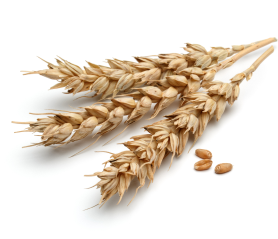
Rabi
The main cultivated crop is Chickpea, Wheat, Lentil, Pea, Mustard, Barley, Amaranth, Flax, Quinoa.
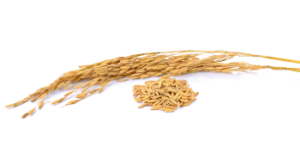
Kharif
Season farmers grow Soyabean, Black Gram, Seasame (White grain), Groundnut, Bajra, Moong Bean, Seasame (Black grain), Pegionpea, Ginger.
NBF Supply Chain
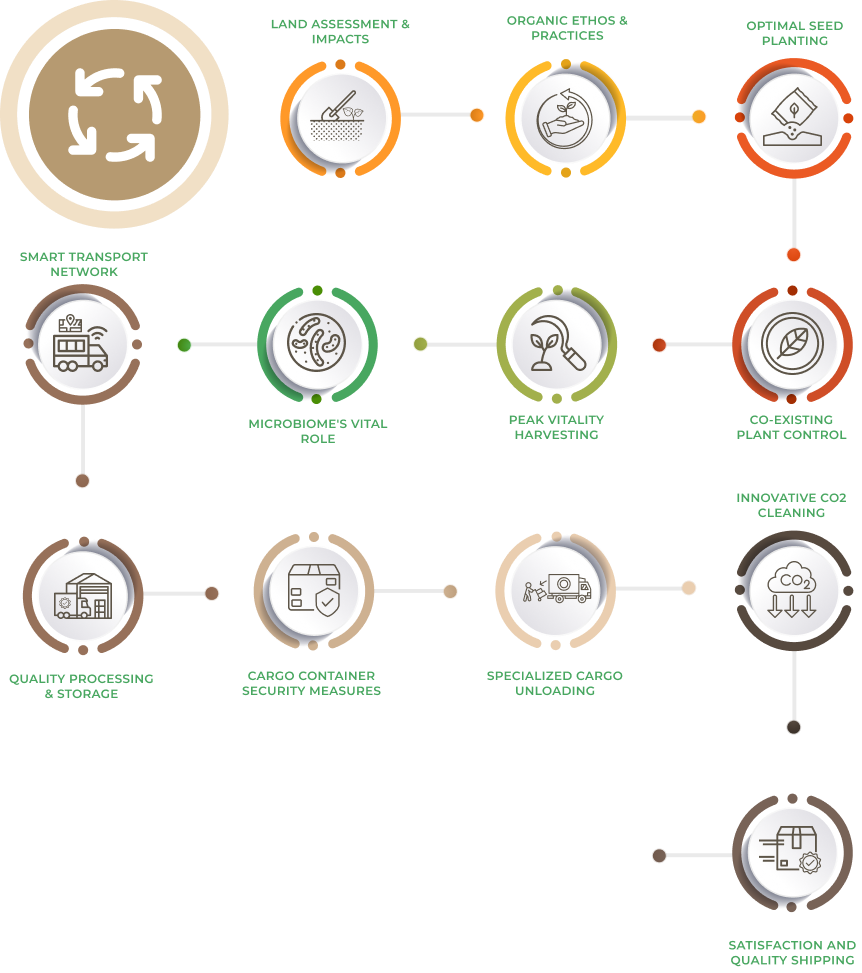
Detailed scientific study is carried out before establishing any project to check suitability of the land, crop specific climatic requirement and its socio economic & environmental impacts.
Ethos of Organic agriculture is to work with the nature and having a minimalistic approach in using natural resources which is judicial. Different crops that we grow require varied agro practices. Our operations are always focused to minimizing tillage operations, keeping the co-plants (conventionally called weeds) at control and developing a natural ecosystem to flourish for not allowing any insect/ pathogen to grow beyond an economic threshold level to be called as ‘pest’.
Planting materials, more often called as ‘seeds’, represent enormous potential. Every seed carries an imprint of cosmic arrangements and thus it is critical that seeds are sown at a time, depth and season which is the best suit for balancing vitality and yield.
It is important that the growth of co-existing plants are kept in economic control for commercial cultivation of main crops. We reckon that every plant that grows naturally on a cropping field has a defined role to play in directly or indirectly contributing to balanced growth of the main crop or by suppressing other co-crops by means of allelopathy.
Harvesting is the operation of gathering the useful part or parts of the plant and is carried out at the time when all the nutrients have developed to offer maximum vitality. We align ourselves to the lunar cycle in determining the best time to initiate harvesting.
At Nature Bio Foods, we essentially consider the microbiome as the true torch bearers of universal life. Without the myriad and most critical roles they play in harnessing nutrients, fetching moisture, contributing essential enzymes and antibiotics to the plants life in the planet are most improbable. We work with nature to create that ambience in which crops planted are self-sustaining and robust. Home grown microbial cultures, compost and compost tea facilitates the purpose aptly.
Smart Transport network enables agriculture and emboldens the farmer to invest more and increase production. All but an efficient transport system would often fail essence of commercial agriculture in spite of laid out good farming practices. Post-harvest quick transportation that suits the best to the environmental causes has been kept in focus at our supply chain.
Quickly transported Organic ingredients, once reach the processing units, are cleaned at our state-of –the-art units and stored in modern hygienic facilities for onward packaging and distribution.
To ensure the stability of cargo containers during transportation across various modes, several pre-defined measures are implemented. In waterway shipping, solid foam or folded fibre board is strategically placed in the curved or triangular areas of the container’s floor. This placement effectively prevents the shifting of the load, providing better support and keeping the cartons upright.
During the unloading process, specialized tools and equipment are used to prevent any loss or damage to the organic ingredients. These measures ensure that the organic food ingredients are handled with care and maintain their quality throughout the procedure.
At our Rotterdam warehouse, we have implemented an innovative in-house CO2 cleaning system that plays a crucial role in reducing our environmental impact. This advanced technology allows us to recover up to 98% of the carbon emitted during the organic ingredients processes. By capturing and recycling this CO2, we actively contribute to minimizing greenhouse gas emissions and promoting sustainable practices.
At the last stage, the pallets containing organic ingredients are delivered to the customers, prioritizing their utmost satisfaction. Compressive SOPs and tracking procedures are in place to prevent package loss and provide timely updates regarding the shipment status. This ensures a smooth and reliable delivery process.
How to Reach Khajuraho, Madhya Pradesh?
Khajuraho, located in the Chhatarpur district of Madhya Pradesh, India, can be reached through various modes of transportation. There are several options to get around the city.
By Train
The Khajuraho Railway Station is connected to major cities like Delhi, Mumbai, and Varanasi, among others. Several express trains and superfast trains run on this route, making train travel a convenient option for reaching Khajuraho.

By Road
Khajuraho is well-connected by road with major cities in Madhya Pradesh and neighboring states. The city is located on National Highway 39, which connects it with cities like Jhansi, Satna, and Bhopal. State-run buses and private taxis are available for traveling to Khajuraho.

By Air
The Khajuraho Airport is well-connected with major cities like Delhi, Mumbai, and Varanasi. Regular flights are available from these cities to Khajuraho, making air travel a convenient option for reaching the city.

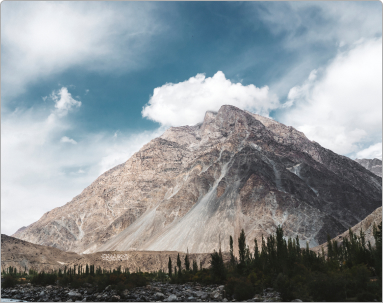

Elevation
It has an average elevation of roughly 283 meters.
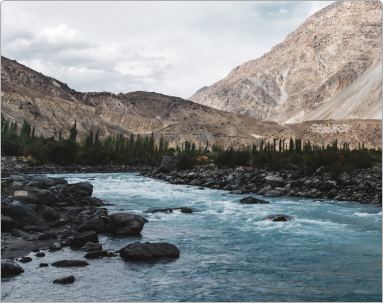

River
The Raneh Fall is a natural waterfall on the Ken River, located in Khajuraho in the Indian state of Madhya Pradesh.
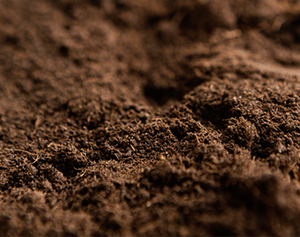

Soil
The soil profile can be categorized into three types: deep soils (30% of the area), medium deep soils (30% of the area), and shallow soils (40% of the area).
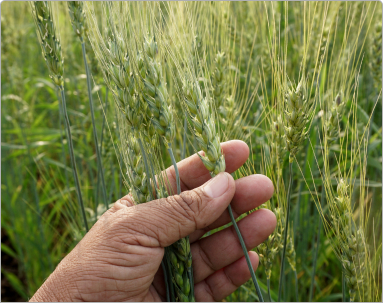

Crop
Soyabean, Black Gram, Seasame (White grain), Groundnut, Bajra
Our Impact

Impact of Our Farmers
The impact of our farmers is significant in enhancing soil fertility through various methods such as crop rotation, cover cropping, reduced tillage, and application of compost. These practices reduce fuel-intensive tillage, resulting in carbon sequestration, decreasing greenhouse gases, and reversing climate change. In addition, they can improve soil structure and reduce the possibility of soil erosion.

Difference our People are Making
The difference our organization is making is by converting land from conventional management to organic management, managing the entire surrounding system for biodiversity and sustainability, and using alternative sources of nutrients such as crop rotation, residue management, and organic manures. We provide complete biological inputs to our crops, and our teams supervise and manage weed and pest control through better management practices, physical and cultural means.

Contribution by our Customers
Our customers’ contribution is vital in promoting food safety and environmental issues. The concern for their health, the environment, and worldwide crises has increased exponentially. Organic agriculture has become the only option for many consumers. Simply by consuming organic produce, they are contributing to the overall health of the planet and making an impact towards sustainability.